


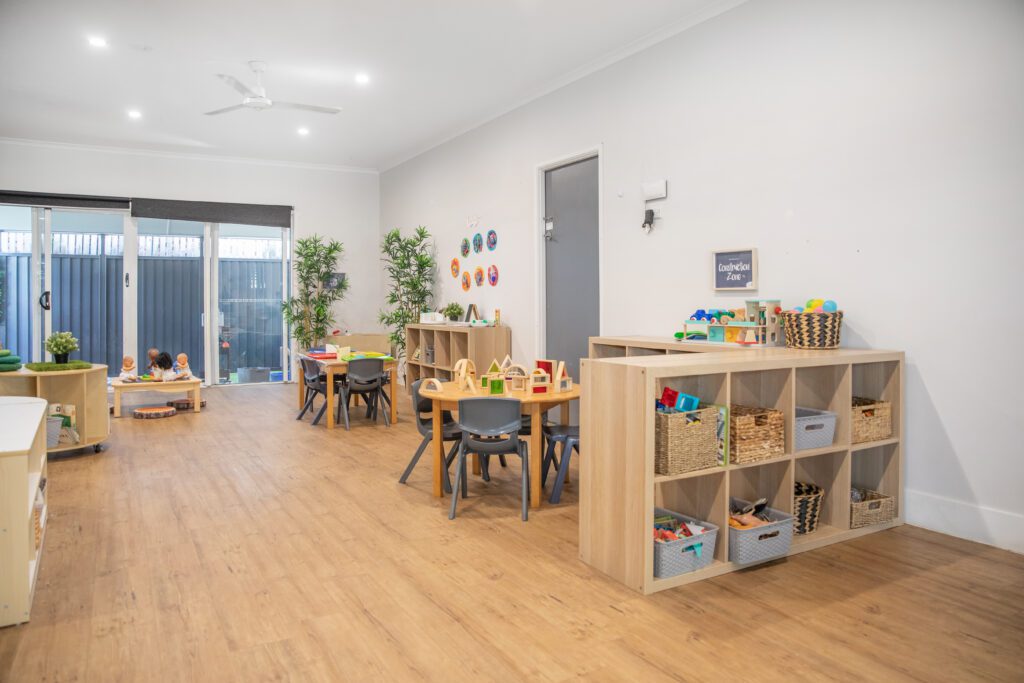
How Many Days of Childcare Does Your Child Need? What the Research Says
Choosing how many days your child spends in early learning is one of the bigger decisions families make. It shapes your week, your budget and, most importantly, your child’s experience.
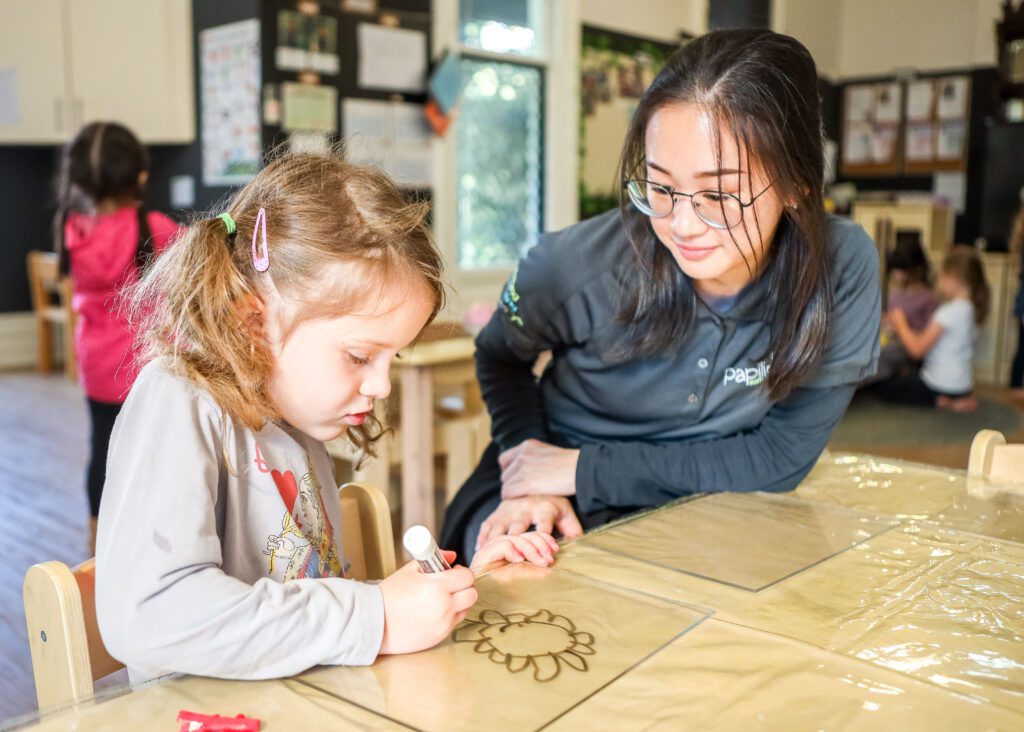
Two Years of Kindergarten: Is It the Right Choice for Your Child?
If you’ve been going back and forth on whether your child should have one year of kindergarten or two, you’re not alone. It’s one of the more common questions families ask us, and there’s rarely a single “right” answer, but there is good evidence to help you think it through.
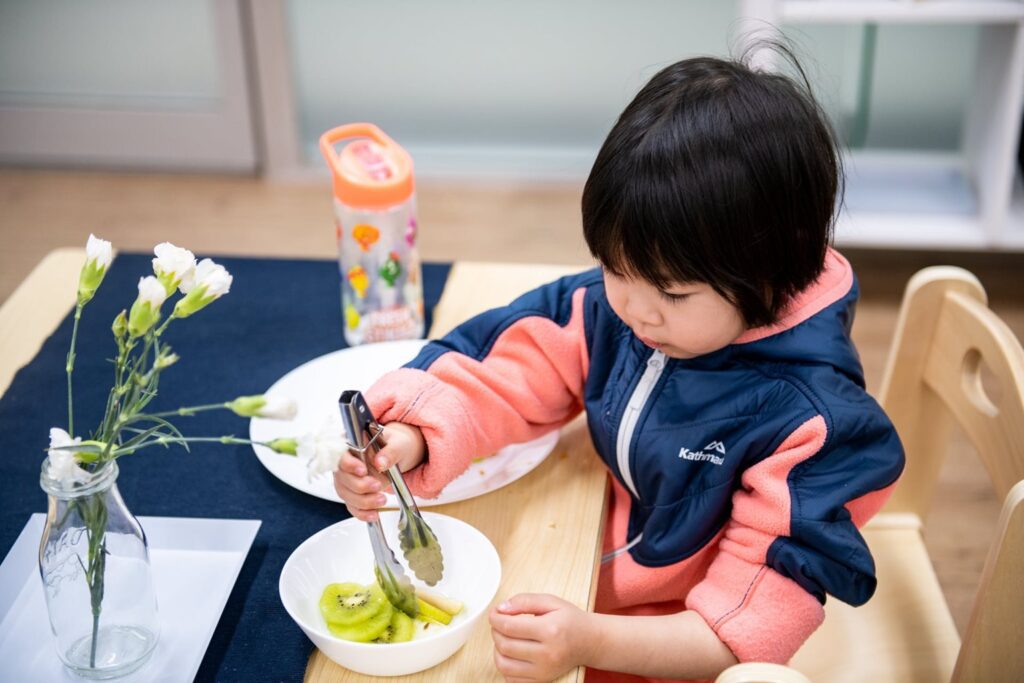
The Research Behind Why We Don’t Push Kids to Finish Their Plate
Most of us grew up hearing “finish your plate.” It’s one of the most common instructions given at family dinner tables, and one of the most consistently contradicted by nutrition and child development research.
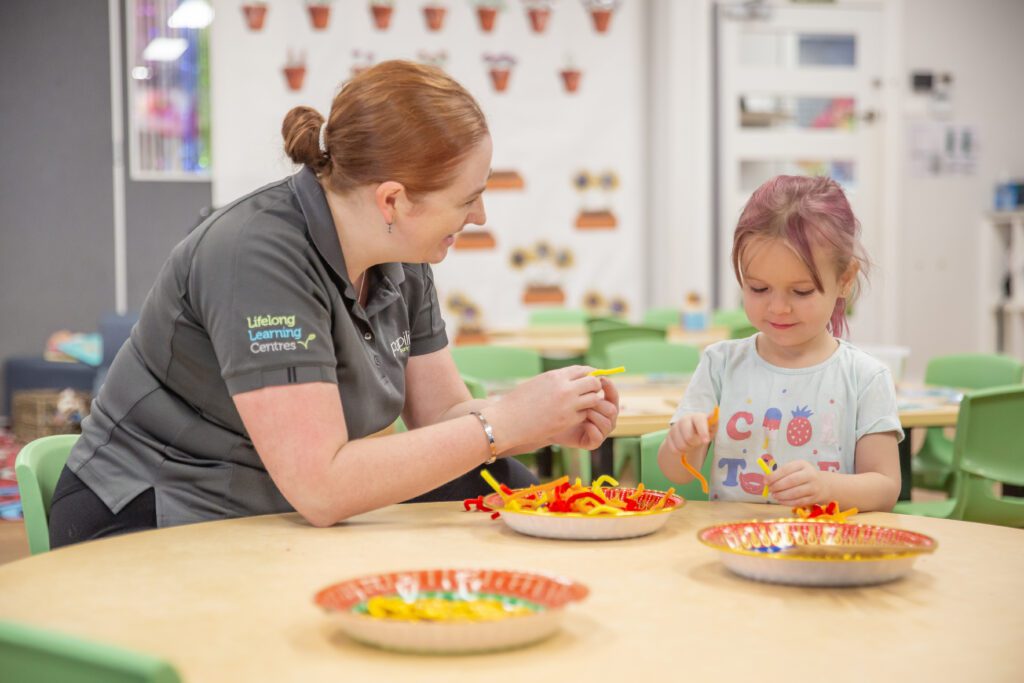
The Future Starts With Us: Recognising the Expertise Behind Every Day
On Wednesday 2 September, Australia observes Early Childhood Educators’ Day, recognising the professionals who guide our youngest learners through some of the most formative years of their lives. This year’s theme, The Future Starts With Us, speaks to the responsibility, and the privilege, that comes with that role. It’s been a demanding year for the early education sector in Australia, and today is a chance to recognise the professionals who’ve continued to show up for children and families throughout it.
The Parent’s Guide to Returning to Work After Parental Leave
Much of the advice available to parents returning to work focuses on the child: how will they settle, how quickly will they adjust. Far less is written about the parent doing the returning. Yet the evidence and the lived experience of thousands of families tell us the same thing: your transition matters just as much, and preparing for it deliberately makes the whole experience smoother for your family.
Book Week 2026: The Evidence Behind Why Stories Matter for School Readiness
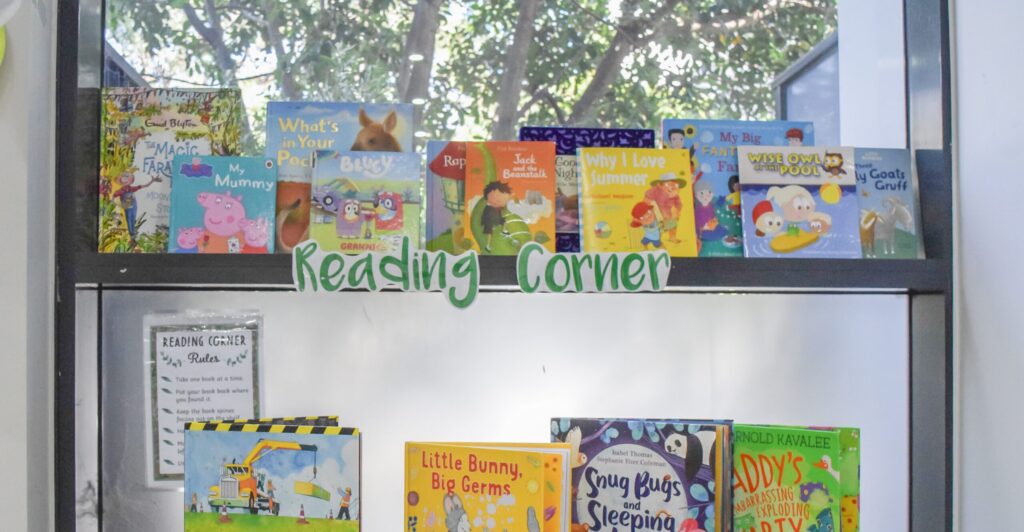
Book Week 2026 runs from Saturday 22 August to Friday 28 August, with this year’s CBCA theme, “Symphony of Stories,” celebrating the many voices a single book can hold. At Papilio, we mark Book Week the way we approach everything in our Lifelong Learning Curriculum, by looking closely at what the research tells us about why an activity matters, not just how to celebrate it.
Is It Normal to Feel Guilty About Early Learning? What the Evidence Says
It’s a familiar moment for many parents: you leave the centre, and a wave of doubt follows you to the car. Am I making the right decision for my child?

National Science Week 2026: The Evidence Behind Every Child’s First Experiments
Last week, at one Papilio centre, the water table became the site of a genuine scientific dispute. Two children were convinced their leaf-boats would float. A third wasn’t so sure. What followed was several minutes of testing, retesting, and a fairly serious debate about whose boat was “winning.”
Sleep Regressions Explained: The Research Behind the Restless Nights
One month your baby settles into a beautifully predictable sleep pattern. The next, they’re waking every hour, resisting naps, or fighting bedtime with real intensity.
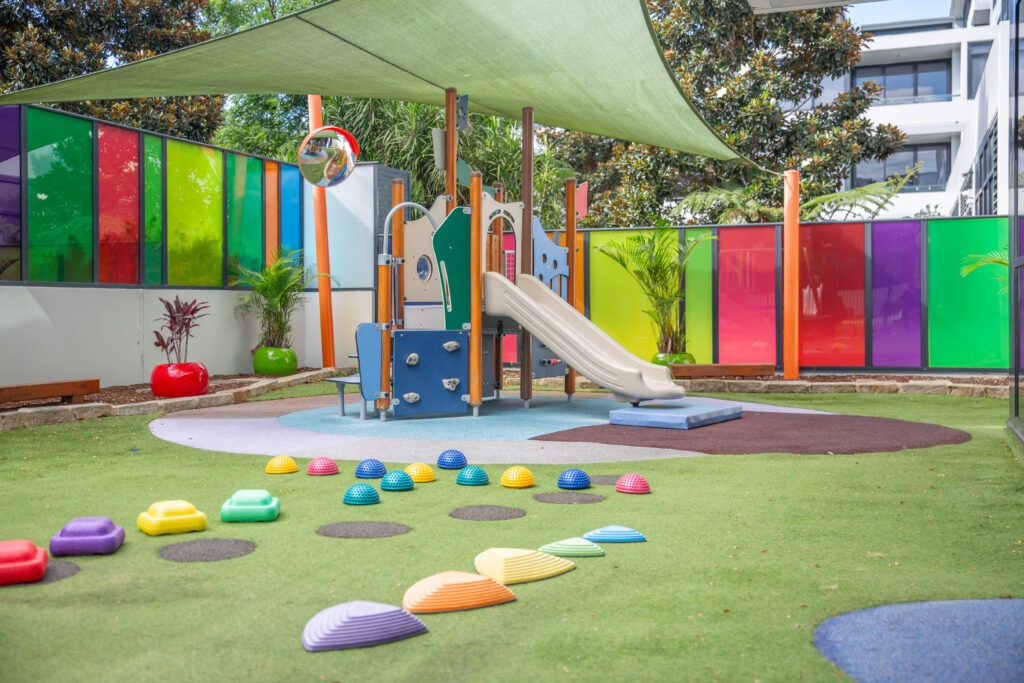
What the Evidence Says About Settling Into Early Learning, And Why It Matters
Starting your child’s early learning journey is a significant transition, for them, and for you. It’s natural to want to understand the evidence behind what’s happening: why the settling-in period takes as long as it does, why your child’s behaviour can differ between home and centre, and why quality early learning is genuinely worth the investment.