

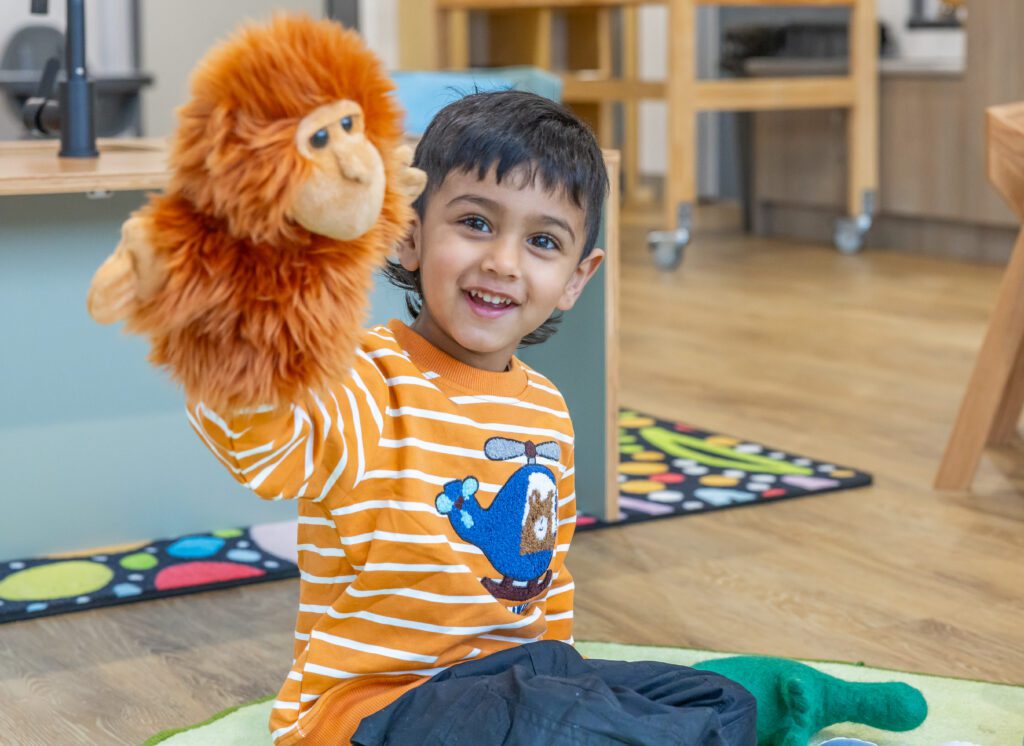
Children’s Week 2026: Why Children’s Rights Matter in Early Learning
When your child chooses a book, joins a game or tells an educator about their weekend, they’re doing something that matters more than it might seem. They’re learning that their ideas count, their identity is valued and their voice is worth hearing.
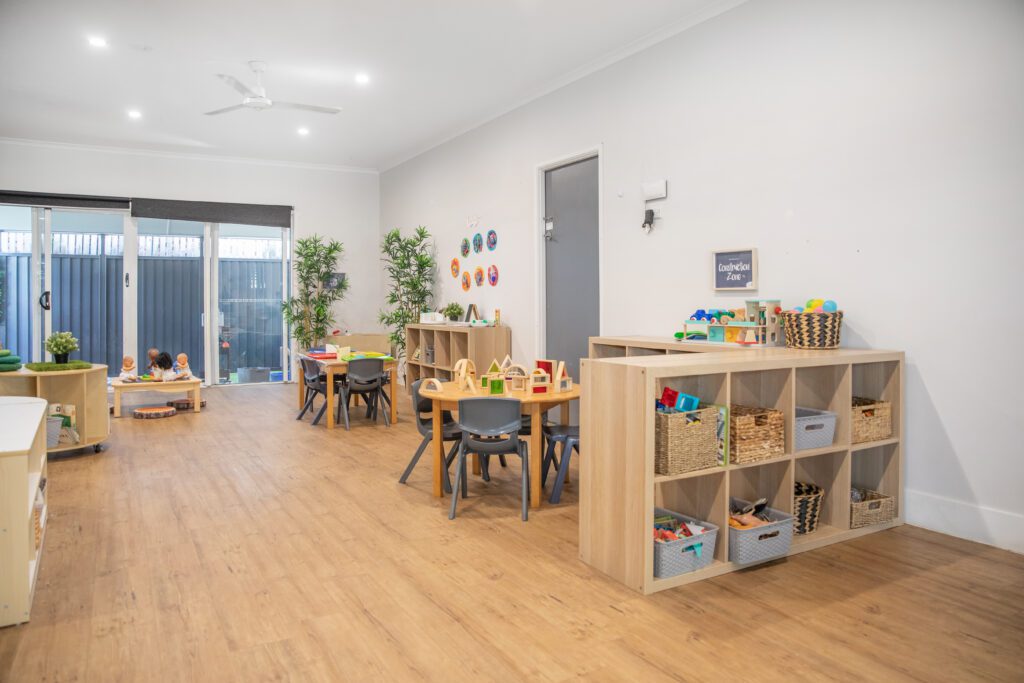
How Many Days of Childcare Does Your Child Need? What the Research Says
Choosing how many days your child spends in early learning is one of the bigger decisions families make. It shapes your week, your budget and, most importantly, your child’s experience.
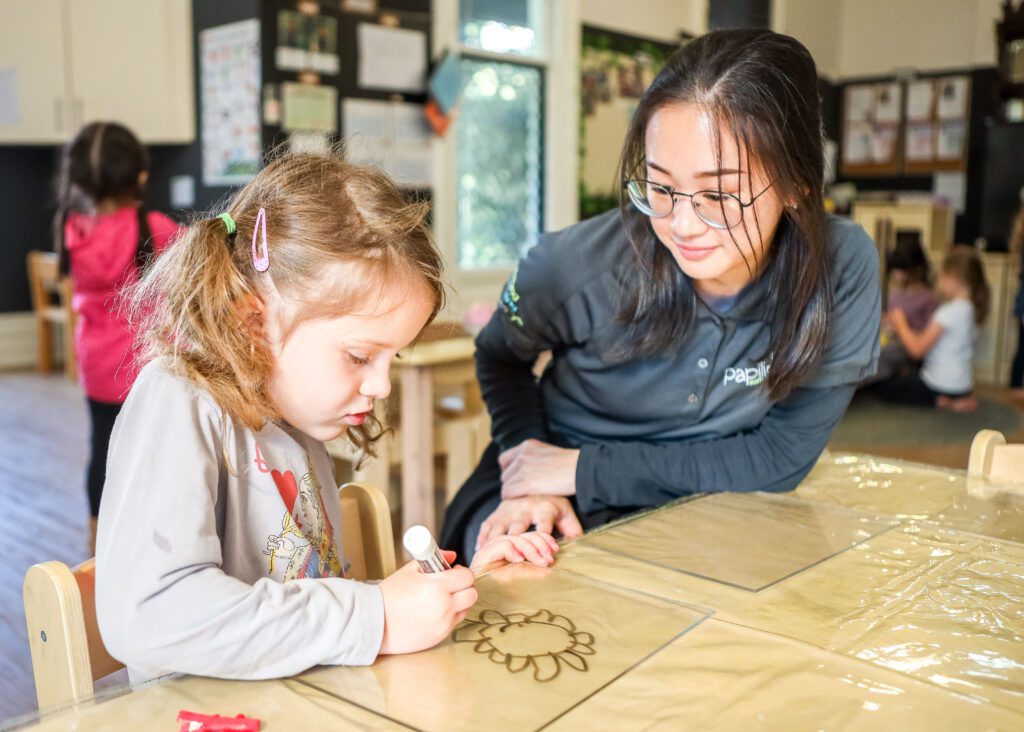
Two Years of Kindergarten: Is It the Right Choice for Your Child?
If you’ve been going back and forth on whether your child should have one year of kindergarten or two, you’re not alone. It’s one of the more common questions families ask us, and there’s rarely a single “right” answer, but there is good evidence to help you think it through.
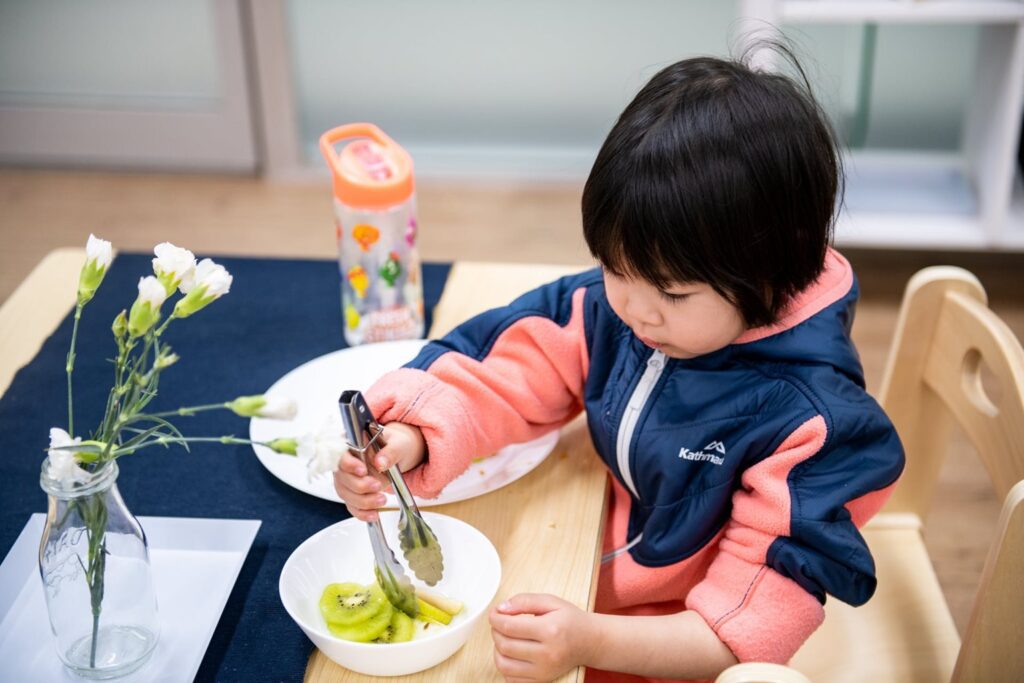
The Research Behind Why We Don’t Push Kids to Finish Their Plate
Most of us grew up hearing “finish your plate.” It’s one of the most common instructions given at family dinner tables, and one of the most consistently contradicted by nutrition and child development research.
The Future Starts With Us: Recognising the Expertise Behind Every Day
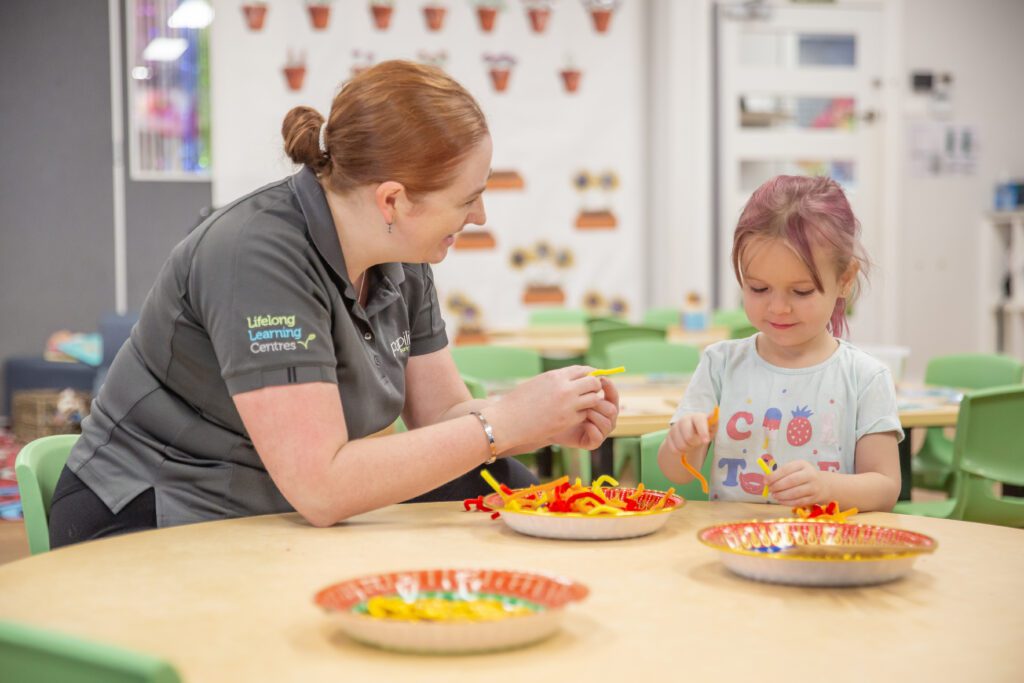
On Wednesday 2 September, Australia observes Early Childhood Educators’ Day, recognising the professionals who guide our youngest learners through some of the most formative years of their lives. This year’s theme, The Future Starts With Us, speaks to the responsibility, and the privilege, that comes with that role. It’s been a demanding year for the early education sector in Australia, and today is a chance to recognise the professionals who’ve continued to show up for children and families throughout it.
Book Week 2026: The Evidence Behind Why Stories Matter for School Readiness
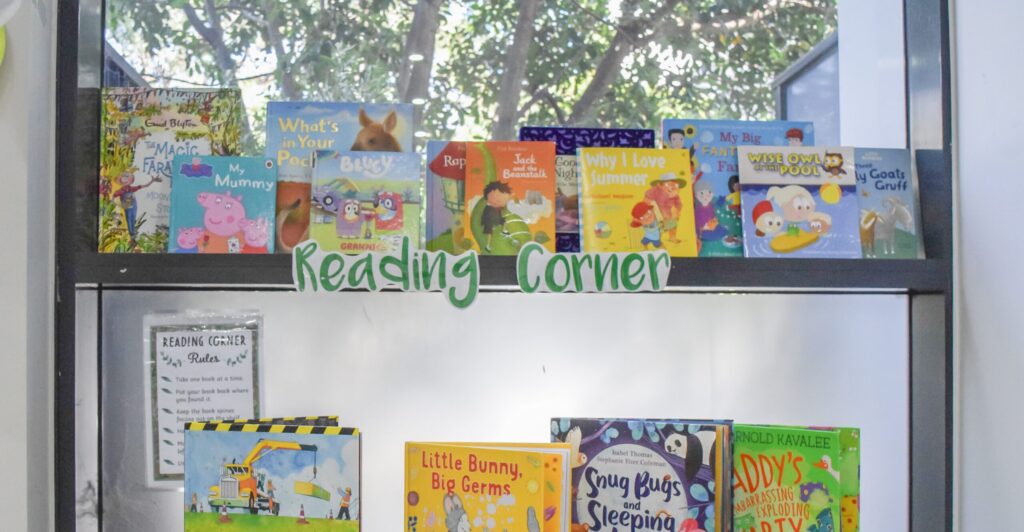
Book Week 2026 runs from Saturday 22 August to Friday 28 August, with this year’s CBCA theme, “Symphony of Stories,” celebrating the many voices a single book can hold. At Papilio, we mark Book Week the way we approach everything in our Lifelong Learning Curriculum, by looking closely at what the research tells us about why an activity matters, not just how to celebrate it.
National Science Week 2026: The Evidence Behind Every Child’s First Experiments
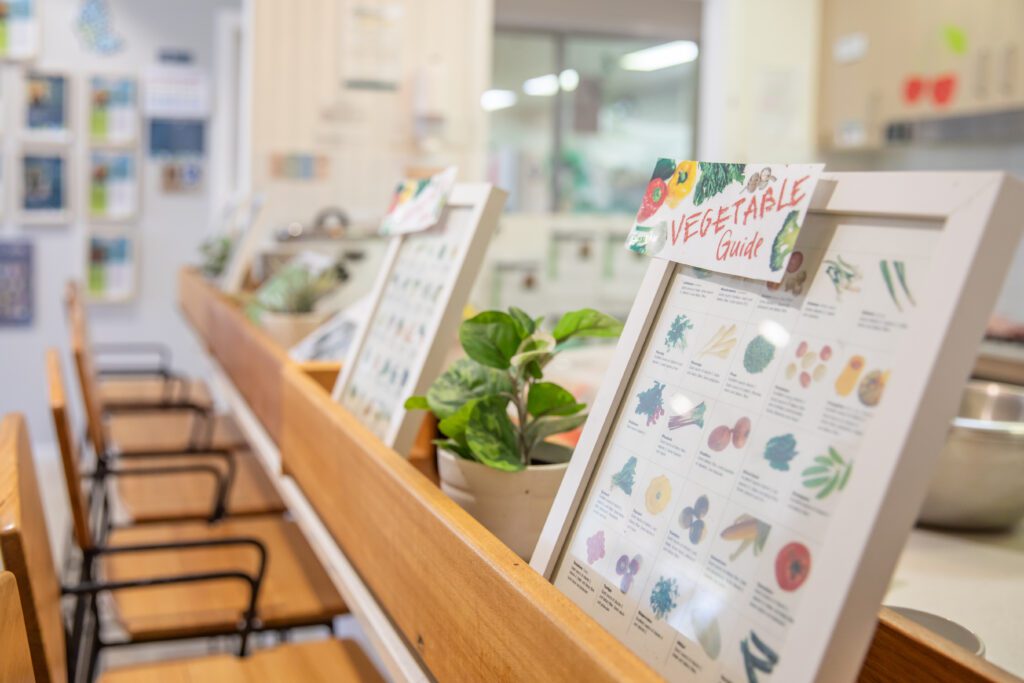
Last week, at one Papilio centre, the water table became the site of a genuine scientific dispute. Two children were convinced their leaf-boats would float. A third wasn’t so sure. What followed was several minutes of testing, retesting, and a fairly serious debate about whose boat was “winning.”
NAIDOC Week 2026: Embedding First Nations Perspectives in the Papilio Curriculum
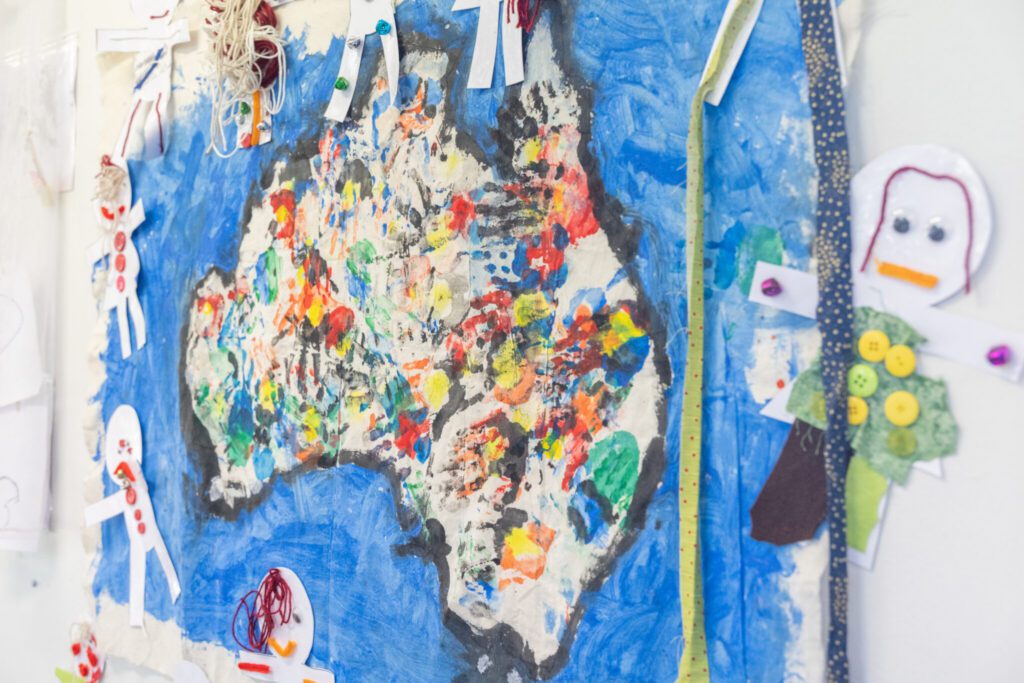
Meaningful cultural education for young children is intentional, evidence-informed, and consistent, not confined to a single week of the year. NAIDOC Week 2026 (6-13 July) offers Papilio families a window into how First Nations perspectives are embedded within our Lifelong Learning Curriculum, and why this approach matters for children’s early development.
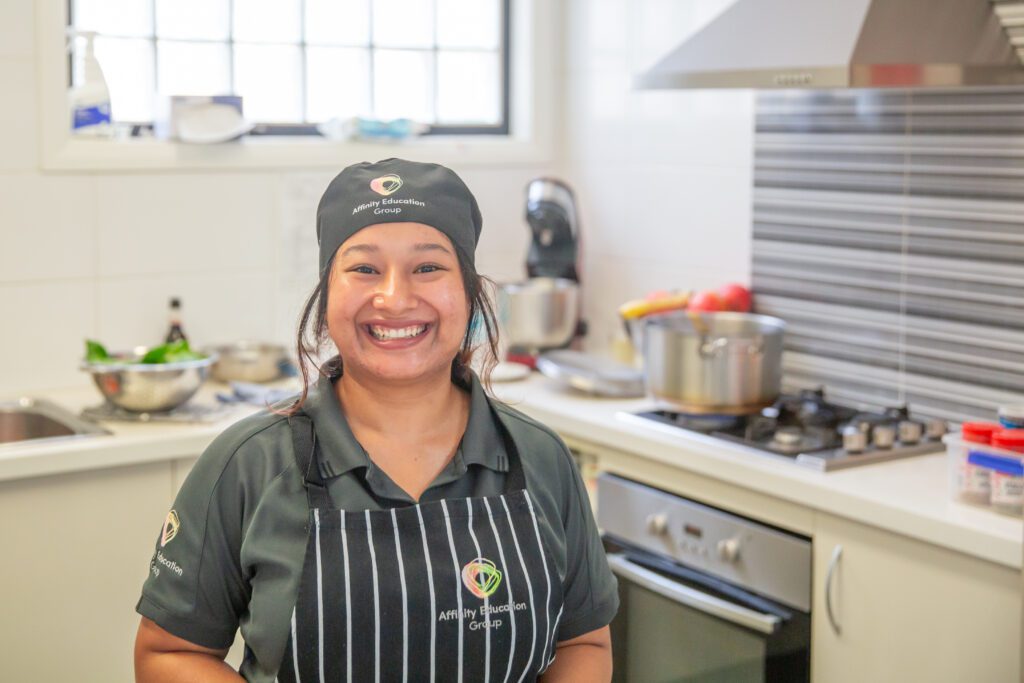
The Science of Warm: Our Dietitian-Designed Winter Menu Is Here
Every meal we serve at Papilio Early Learning is intentional. As our 2026 Winter Menu launches across our centres, we want to share not just what’s on the menu, but why every ingredient, every dish, and every bite has been chosen with care. This is nutrition grounded in evidence, prepared fresh each day, and designed to support the whole child through the cooler months ahead.
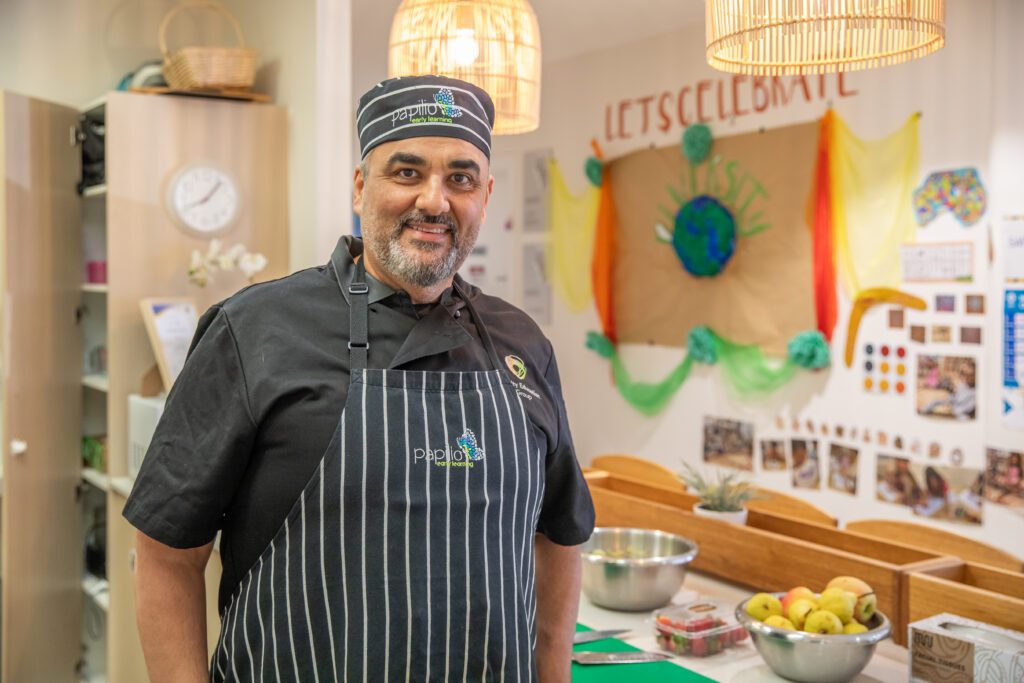
Fussy Eaters in Early Childhood: What the Research Says, and How We Support Children at the Table
If your child is refusing foods they happily ate last week, surviving on a rotating shortlist of safe options, or treating new foods like a genuine threat, you’re witnessing one of the most well-documented phases of early childhood development. Fussy eating isn’t a reflection of your parenting, and it isn’t permanent. At Papilio, we take an evidence-informed approach to mealtimes – one that supports children to expand their palates gradually, without pressure, and with the developmental science firmly in mind.