

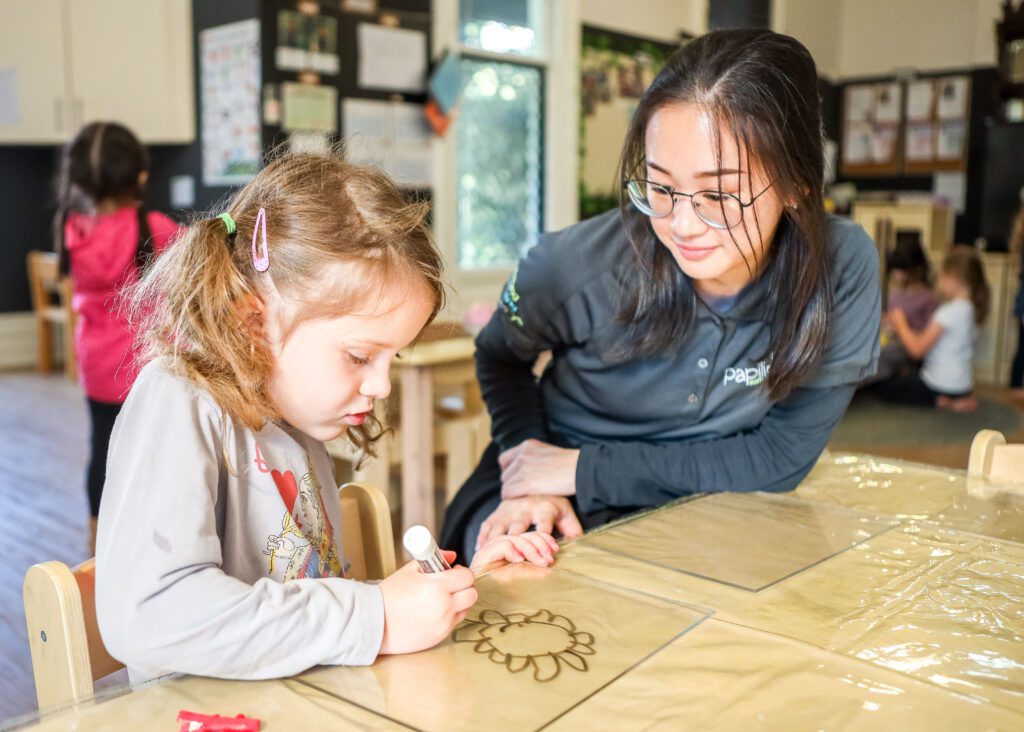
Two Years of Kindergarten: Is It the Right Choice for Your Child?
If you’ve been going back and forth on whether your child should have one year of kindergarten or two, you’re not alone. It’s one of the more common questions families ask us, and there’s rarely a single “right” answer, but there is good evidence to help you think it through.
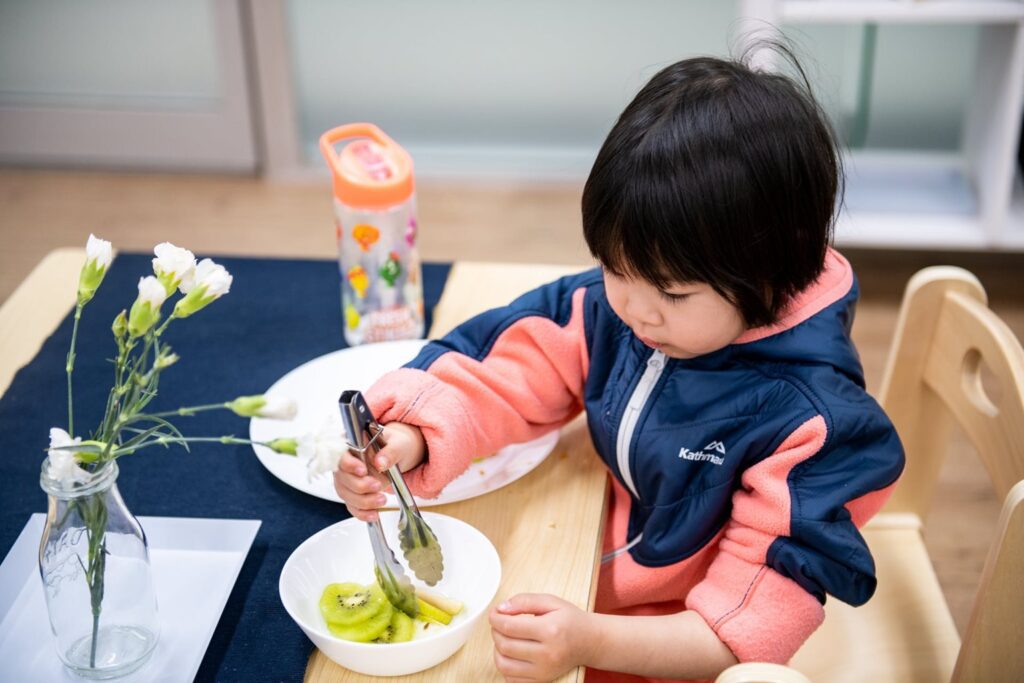
The Research Behind Why We Don’t Push Kids to Finish Their Plate
Most of us grew up hearing “finish your plate.” It’s one of the most common instructions given at family dinner tables, and one of the most consistently contradicted by nutrition and child development research.
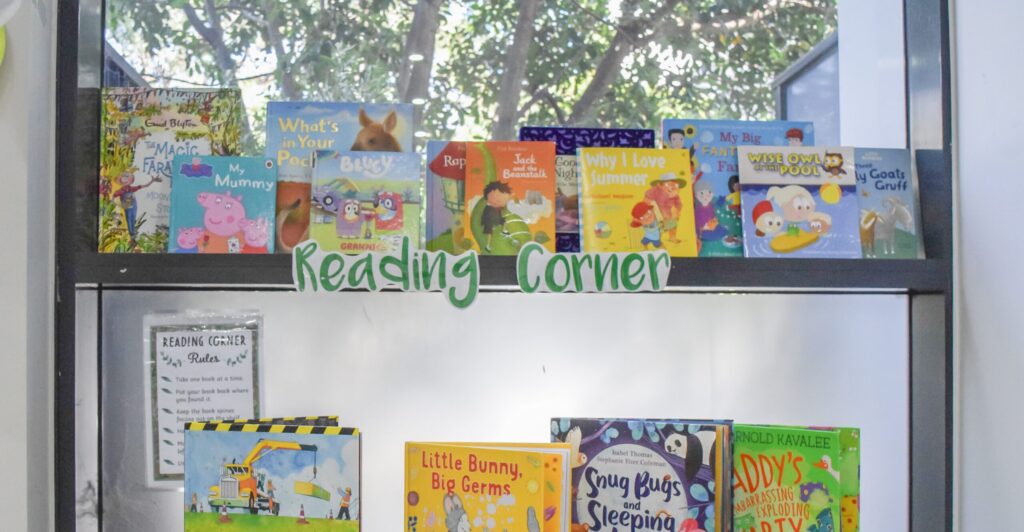
Book Week 2026: The Evidence Behind Why Stories Matter for School Readiness
Book Week 2026 runs from Saturday 22 August to Friday 28 August, with this year’s CBCA theme, “Symphony of Stories,” celebrating the many voices a single book can hold. At Papilio, we mark Book Week the way we approach everything in our Lifelong Learning Curriculum, by looking closely at what the research tells us about why an activity matters, not just how to celebrate it.
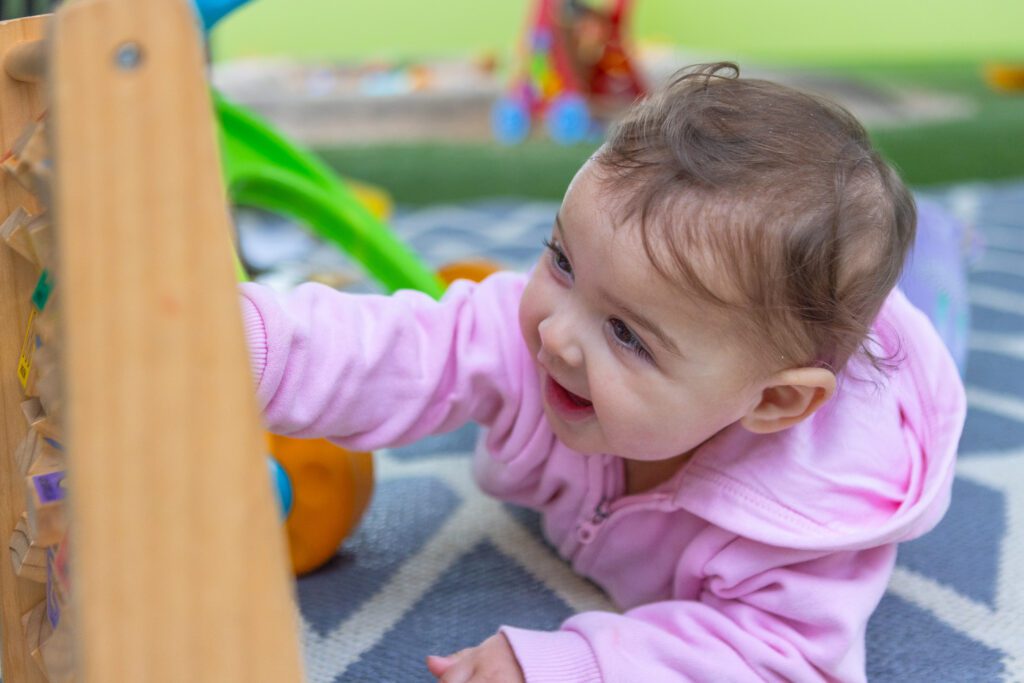
Sleep Regressions Explained: The Research Behind the Restless Nights
One month your baby settles into a beautifully predictable sleep pattern. The next, they’re waking every hour, resisting naps, or fighting bedtime with real intensity.
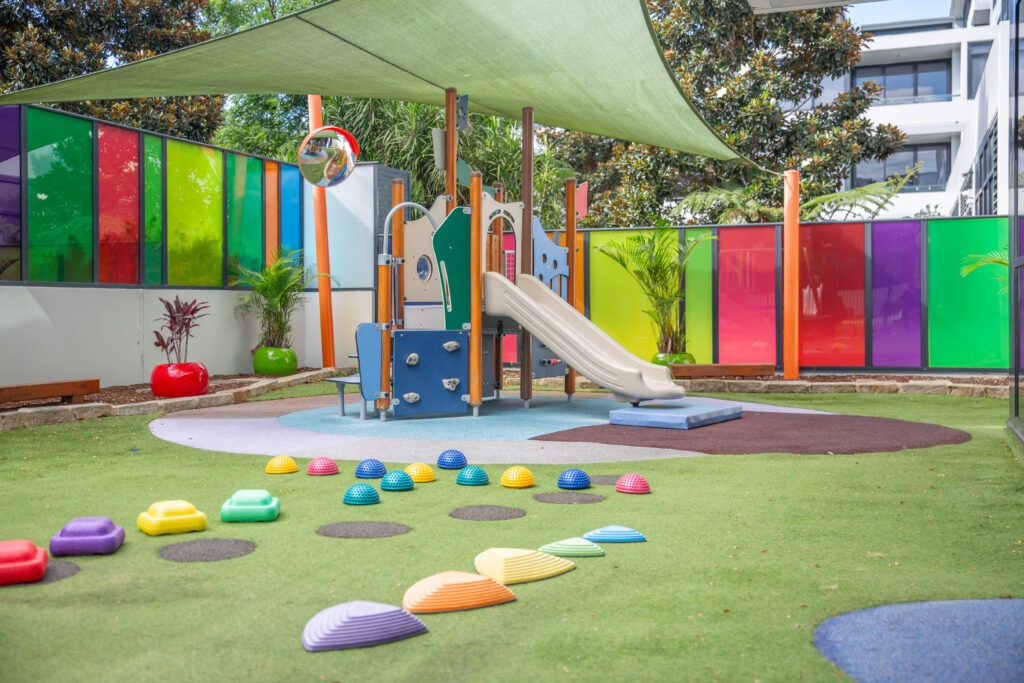
What the Evidence Says About Settling Into Early Learning, And Why It Matters
Starting your child’s early learning journey is a significant transition, for them, and for you. It’s natural to want to understand the evidence behind what’s happening: why the settling-in period takes as long as it does, why your child’s behaviour can differ between home and centre, and why quality early learning is genuinely worth the investment.
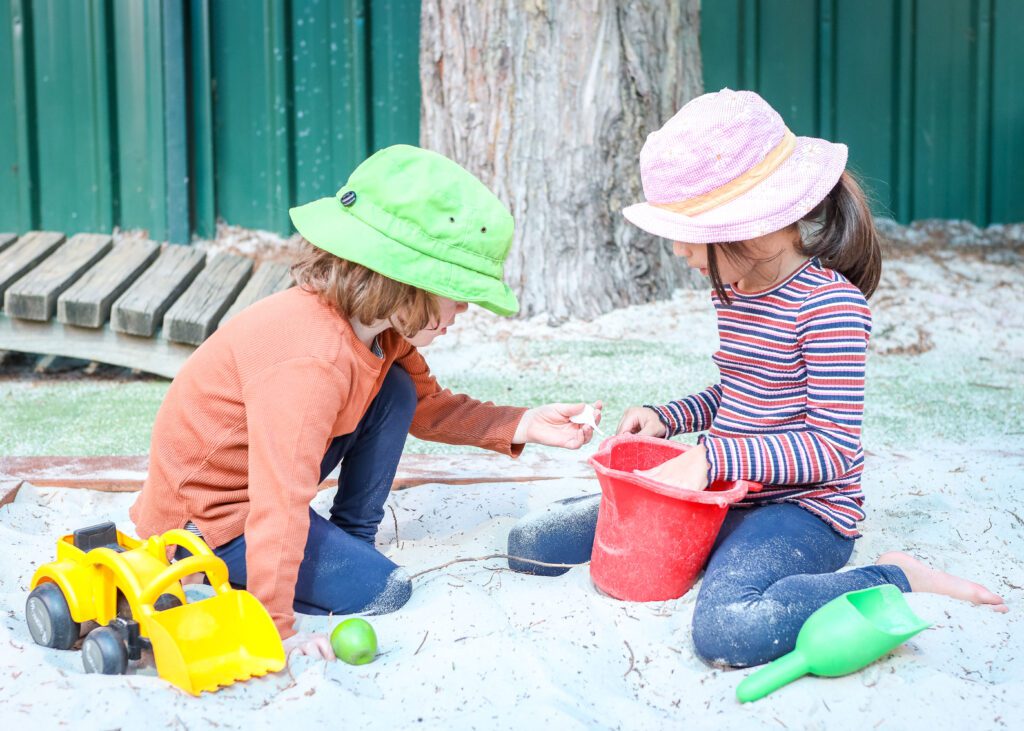
Speech Delay or Late Talking? What Families Need to Know About Toddler Language Development
One of the most common questions families bring to us is whether their toddler’s speech is on track. It’s an understandable concern, language is developing so rapidly in the early years that it can be genuinely difficult to know what’s typical.
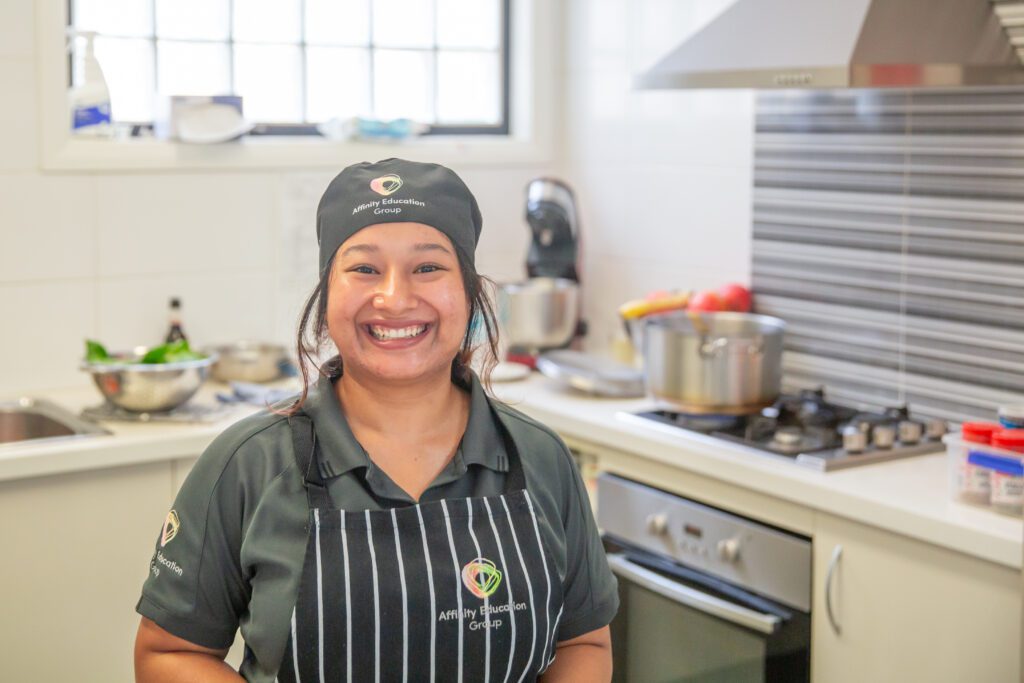
The Science of Warm: Our Dietitian-Designed Winter Menu Is Here
Every meal we serve at Papilio Early Learning is intentional. As our 2026 Winter Menu launches across our centres, we want to share not just what’s on the menu, but why every ingredient, every dish, and every bite has been chosen with care. This is nutrition grounded in evidence, prepared fresh each day, and designed to support the whole child through the cooler months ahead.
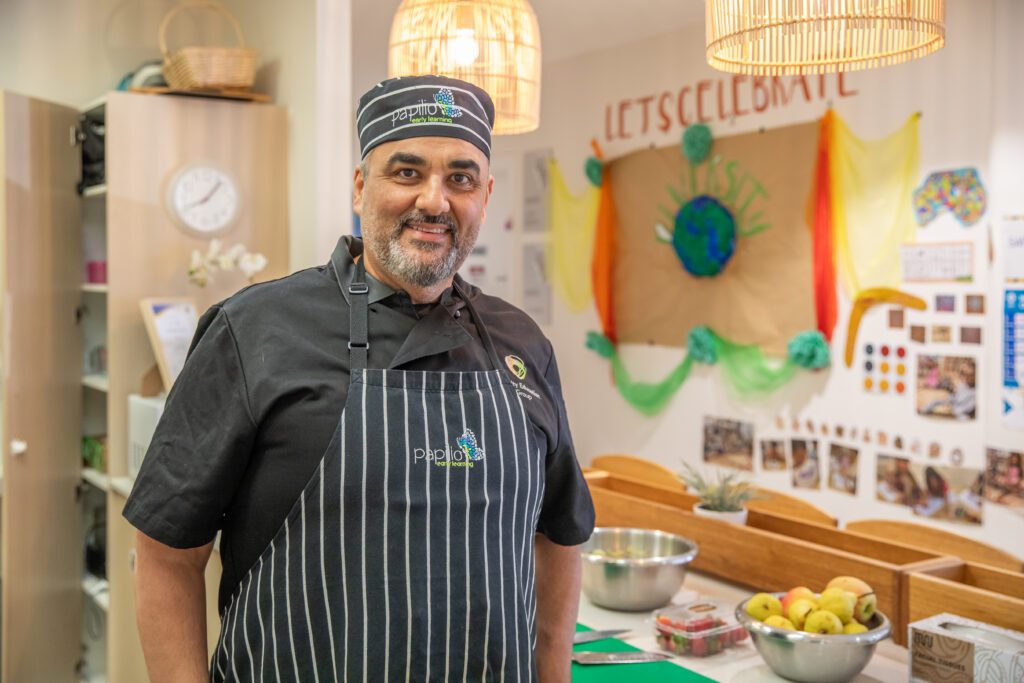
Fussy Eaters in Early Childhood: What the Research Says, and How We Support Children at the Table
If your child is refusing foods they happily ate last week, surviving on a rotating shortlist of safe options, or treating new foods like a genuine threat, you’re witnessing one of the most well-documented phases of early childhood development. Fussy eating isn’t a reflection of your parenting, and it isn’t permanent. At Papilio, we take an evidence-informed approach to mealtimes – one that supports children to expand their palates gradually, without pressure, and with the developmental science firmly in mind.
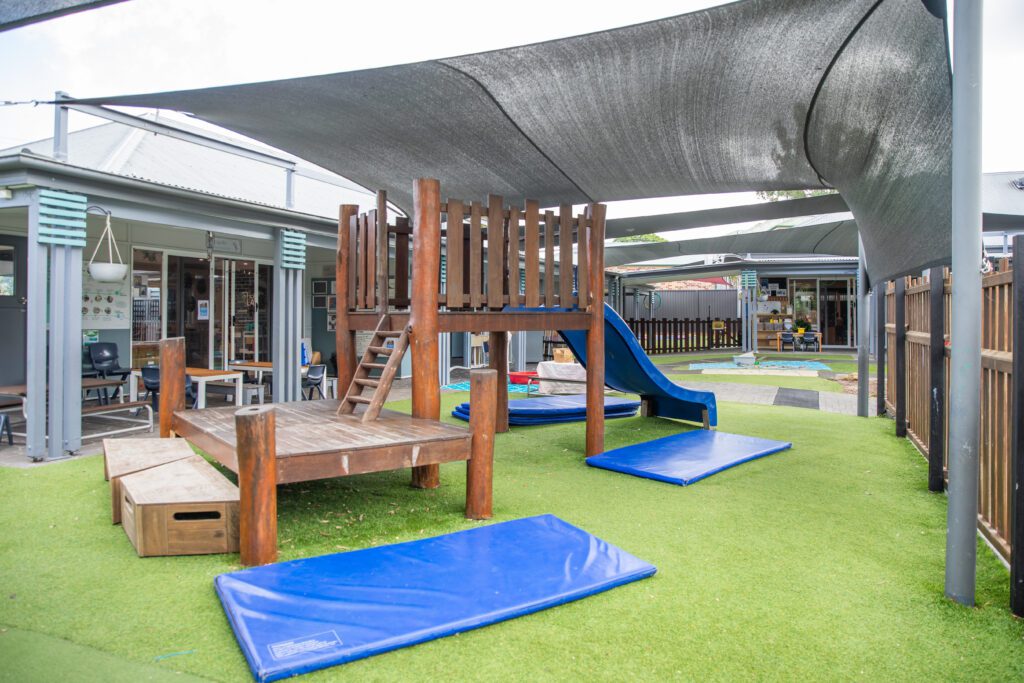
The Developmental Science of Risky Play – Why Challenge, Risk and Outdoor Exploration Matter in the Early Years
The word “risk” tends to make parents uneasy, and understandably so. But in the context of early childhood development, risk is not the opposite of safety. It is, in fact, a necessary ingredient in children’s physical, cognitive, social, and emotional growth. A substantial body of research now supports what experienced early childhood educators have long understood: children who are given the opportunity to engage with managed risk in play develop more robustly across a range of developmental domains than those whose play is consistently risk-free. Here’s what the science says, and how Papilio approaches it in practice.
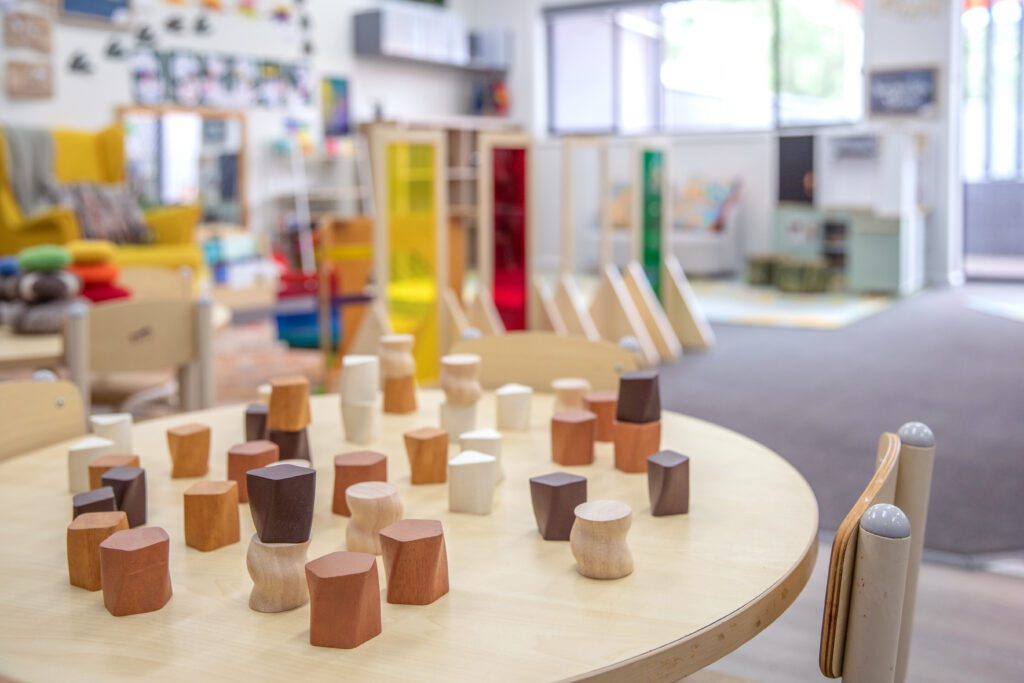
What Learning Really Looks Like for Babies, Toddlers and Preschoolers
Ask a child what they did at childcare today and the answer is almost always some variation of “played.” Which is, to be fair, entirely accurate, and also a significant understatement.
What happens in a quality early learning environment isn’t separate from play. It is play, shaped by educators who understand the developmental science behind every activity they design, every question they ask, and every moment they choose to step back and let a child work something out for themselves.