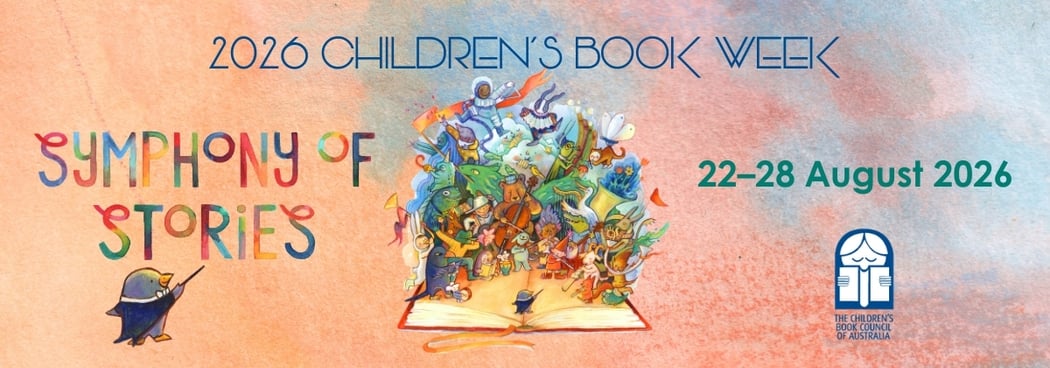


Book Week 2026 runs from Saturday 22 August to Friday 28 August, with this year's CBCA theme, "Symphony of Stories," celebrating the many voices a single book can hold. At Papilio, we mark Book Week the way we approach everything in our Lifelong Learning Curriculum, by looking closely at what the research tells us about why an activity matters, not just how to celebrate it.
What's On for Book Week 2026
This year is a significant one for the Children's Book Council of Australia, marking 80 years of the CBCA Book of the Year Awards. The 2026 theme, "Symphony of Stories," is illustrated by award-winning author-illustrator Briony Stewart. Schools, libraries and early learning services across Australia will mark the week with dress-ups, read-alouds and a focus on the CBCA's shortlisted titles.
The Developmental Case for Reading
The connection between shared reading and later outcomes is one of the more consistent findings in early childhood research. Raising Children Network summarises the evidence across several developmental domains, each of which we build into our Lifelong Learning Curriculum:
- Language - repeated exposure to new vocabulary in context is one of the clearest, most replicated ways young children build oral language before formal reading begins.
- Empathy - stories featuring characters from a range of backgrounds and experiences support children's early understanding of perspectives different from their own.
- Imagination - narrative structure gives children practice in symbolic and imaginative thinking, a foundation for later abstract reasoning.
- School readiness - the literacy experiences children have before school form the brain connections used for language, thinking and understanding, well before children start writing.
It's a useful reminder that the value of reading together isn't just anecdotal, it's one of the better-evidenced levers we have in the early years.
How We Bring Book Week to Life Through Our Lifelong Learning Curriculum
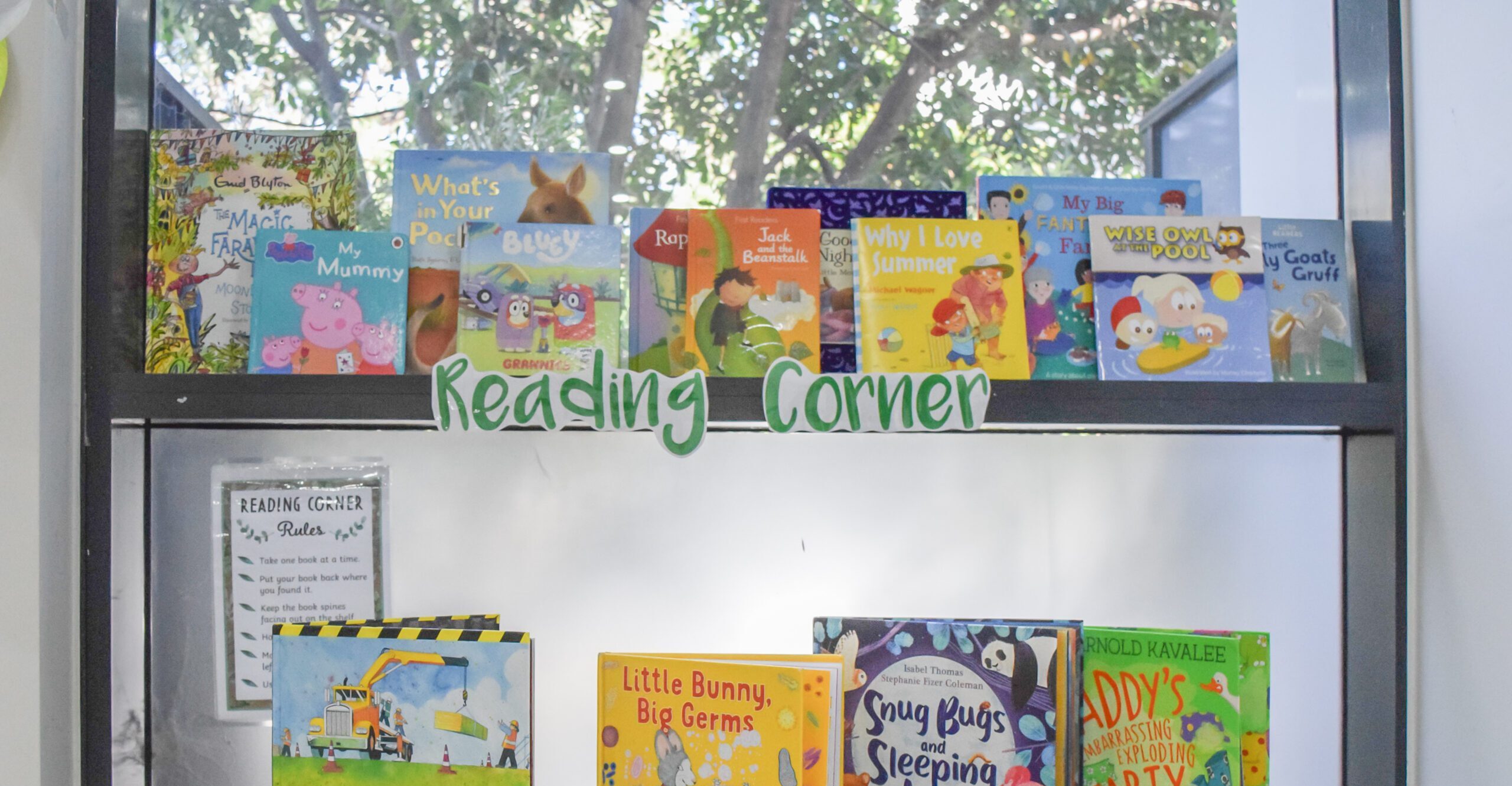
Our educators plan Book Week as an intentional extension of everyday literacy practice within the Lifelong Learning Curriculum, rather than a standalone event. That means deliberately chosen texts, small-group storytelling, and discussion that draws children out, asking what they noticed, what they'd change, or what they think happens next. Dress-ups and cosy reading spaces are part of the fun, but the intentional teaching underneath them is what makes the week count.
Book Week 2026 Reads: A Few to Try
- Dear Zoo by Rod Campbell - its repeated refrain supports early vocabulary, one of the reasons it's endured since 1982. (Suits ages 1-4)
- The Very Cranky Bear by Nick Bland - rhyme and repetition support early language patterning. (Suits ages 1-3)
- Alpacas with Maracas by Matt Cosgrove - playful rhyme that extends vocabulary. (Suits ages 2-4)
- It's Okay to Be Different by Todd Parr - simple, direct language and bold illustrations that support early understanding of individuality and acceptance. (Suits ages 2-5)
- The Colour Monster by Anna Llenas - uses colour as a scaffold for emotional vocabulary, supporting children to identify and articulate feelings. (Suits ages 2-5)
- The Paper Bag Princess by Robert Munsch - a more complex narrative arc for developing sequencing skills. (Suits ages 3-6)
- Julian Is a Mermaid by Jessica Love - opens up rich conversation about identity and belonging. (Suits ages 3-6)
Continuing the Conversation at Home
If you'd like to understand more about how storytelling fits within our Lifelong Learning Curriculum, find your nearest centre to arrange a visit and see it in practice.