

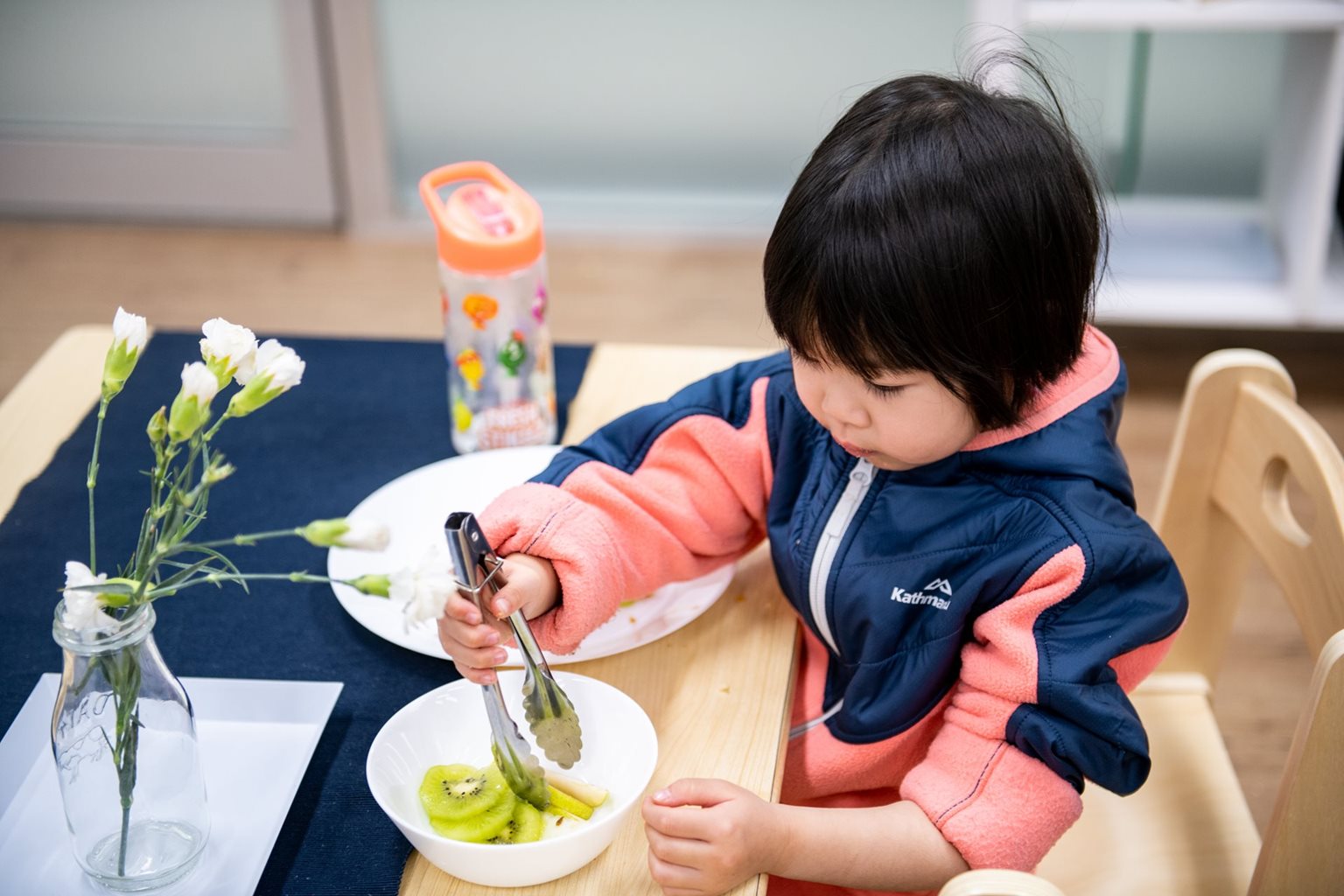

Most of us grew up hearing "finish your plate." It's one of the most common instructions given at family dinner tables, and one of the most consistently contradicted by nutrition and child development research.
At Papilio Early Learning, our approach to mealtimes is grounded in evidence, not tradition. Here's what the research actually says about pressure at the table, and how we apply it through our Lifelong Learning Curriculum (LLC).
What the evidence shows
According to Raising Children Network, children's willingness to try and enjoy food is strongly influenced by the eating environment. Pleasant, low-stress mealtimes support better outcomes than pressure, bribery or insistence, all of which are, counterintuitively, associated with children becoming more resistant to food over time, not less.
There's a developmental explanation for this. Choosing what and how much to eat is one of the earliest ways children exercise independence. It's also tied to physiology: appetite fluctuates day to day based on growth rate, activity levels and energy needs, meaning a child who barely eats dinner on Monday may eat heartily on Wednesday, with nothing "wrong" happening in between.
How this shows up in our curriculum
Under the LLC, mealtimes aren't treated as a break from learning, they're an active part of it. Food experiences are designed to build:
- Self-regulation - learning to recognise and act on internal hunger and fullness cues, rather than externally imposed rules about how much to eat
- Independence and agency - serving themselves, choosing portions, and making decisions about their own plate
- Sensory exploration - engaging with new textures, colours and flavours without pressure to "like" or finish them immediately
Educators observe and document these moments the same way they would any other developmental milestone, because food behaviour is development, not separate from it.
Our Spring menu in practice
Our new Spring menu, developed with nutrition partners The Biting Truth and Woolworths@Work, was designed with this same evidence base in mind. A number of dishes, including our Build Your Own Burrito Bowls, are structured around choice, letting children build their own plate from a range of nutritious components rather than being served a single fixed portion.
This isn't a compromise on nutritional standards. Every dish is still designed to support the vitamins, minerals and energy children need for growth, the flexibility is in how much of it a child chooses to eat in any one sitting, not what's on offer.
It's a timely conversation, too. Spring tends to bring a lot of family routines and appetites into flux, and National Nutrition Week (12-18 October) is putting a national focus this year on positive, strengths-based food experiences for children and young people, a theme that aligns closely with how we already approach mealtimes.
What families can take from this
If mealtimes at home have become a source of tension, the research suggests less pressure, not more, is usually the more effective path forward:
- Offer food without commentary on how much is eaten
- Let children serve themselves where possible, even if portions look unusual to adult eyes
- Keep reintroducing foods that have been refused - repeated, low-pressure exposure is what builds familiarity, often over many attempts
- Assess intake across several days rather than judging a single meal
If you'd like to understand how your child is engaging with food and mealtimes specifically, their educator's observations under the LLC are a good place to start that conversation.
You can read more about the nutrition principles behind our menus on our Healthy Menu & Nutrition page, and explore the research on fussy eating in more depth in our related article.