

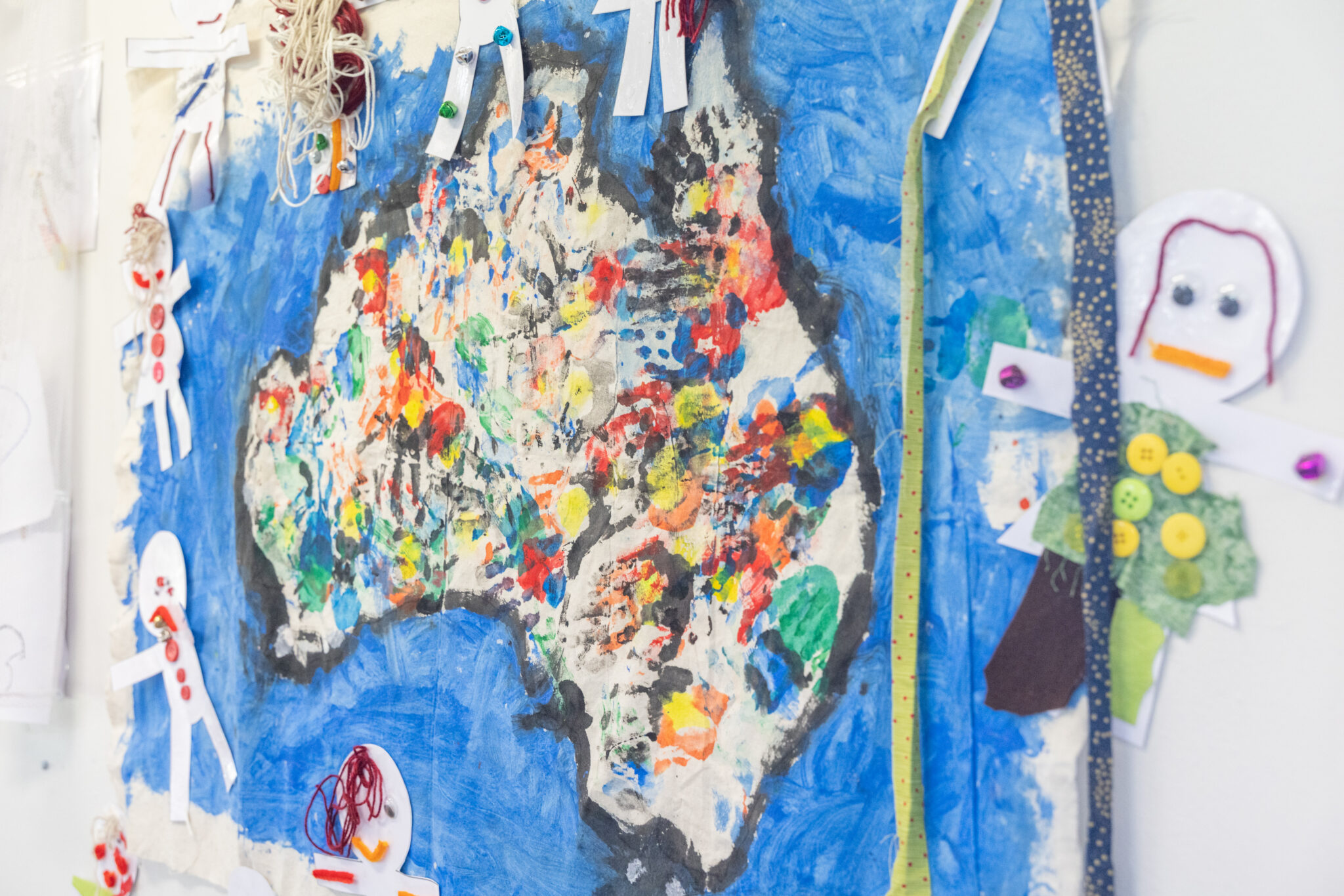

Meaningful cultural education for young children is intentional, evidence-informed, and consistent, not confined to a single week of the year. NAIDOC Week 2026 (6-13 July) offers Papilio families a window into how First Nations perspectives are embedded within our Lifelong Learning Curriculum, and why this approach matters for children's early development.
This year's national theme, “50 Years of Deadly,” recognises five decades of strength, resilience and activism among Aboriginal and Torres Strait Islander peoples. At Papilio, this theme is reflected in the way educators approach daily practice: through Acknowledgements of Country, culturally grounded stories, and considered conversations that build children's understanding of Australia's First Peoples over time.
A Curriculum-Integrated Approach
Papilio's approach to First Nations education is underpinned by our partnership with Wandana Aboriginal Education, formally integrated into the Lifelong Learning Curriculum. Wandana's education kits, online learning modules and professional development programs equip educators with the cultural knowledge and confidence to deliver content that is accurate, respectful and developmentally appropriate.
This structured approach ensures consistency across our centres, so that children's exposure to First Nations culture is not incidental, but a considered part of their early learning experience.
A Significant Milestone for the Network
Earlier this month, Affinity Education's executive team joined Wandana Aboriginal Education to mark NAIDOC Week, receiving an original Whale Song - “Garuuja” - composed by Aboriginal Elder Uncle Tim Gray. Uncle Tim described the significance of the piece: “Whale songs like ‘Garuuja’ represent kinship, spirituality and are linked to ancient ‘Songlines,’ which are dreaming paths that navigate the coastline. These songs and stories are used to ‘sing up’ whales along the coast to ensure safe travel for Mothers and calves, map migratory routes and connect coastal communities.”
The song will be made available to centres nationally, providing a further curriculum resource for educators. Affinity Education CEO Glen Hurley noted that reconciliation “is not a single moment in time - it's an ongoing learning journey.”
Read more: NAIDOC Week 2026: Celebrating Culture, Connection and 50 Years of Deadly
Why This Matters for Early Development
Research consistently points to early childhood as a critical period for building empathy, cultural understanding and a sense of belonging. Embedding First Nations perspectives from the earliest years supports children in developing respect for Australia's history and living cultures, a foundation that continues well beyond the early learning setting.
This is reflected in the small, everyday moments of a Papilio day, a considered Acknowledgement of Country, a story told with cultural context, or a question answered thoughtfully by an educator equipped with the right resources. Individually, these moments may seem small. Collectively, they shape how a child comes to understand their place in a shared, diverse community.
What This Means When Choosing Papilio
For families already enrolled with us, this is one of many ways our Lifelong Learning Curriculum translates into practice - evidence-informed, deliberate, and consistently delivered across every centre in our network. It's part of the broader academic rigour and thoughtful pedagogy families trust us for.
If you're exploring options for your child's early education, we'd encourage you to ask any centre how First Nations perspectives are embedded in their curriculum, not just during NAIDOC Week, but as a matter of course. At Papilio, it's one of the many considered elements that make up a genuinely premium early learning experience.
You can read more about the full NAIDOC Week celebration across the Affinity Education network, including the gifting of the Whale Song, here.
To learn more about how the Lifelong Learning Curriculum shapes your child's early education, find your nearest Papilio centre and arrange a tour.