

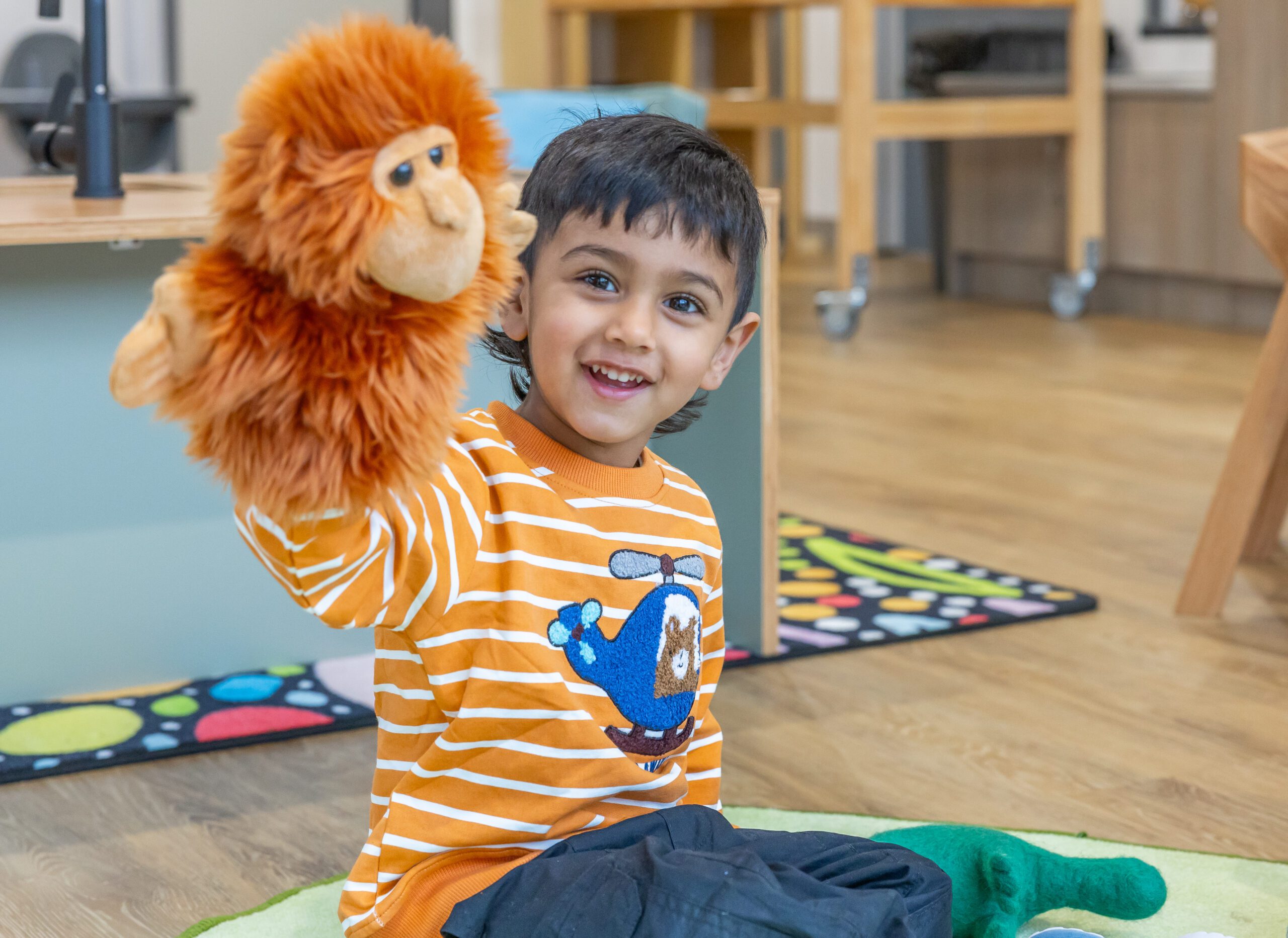

When your child chooses a book, joins a game or tells an educator about their weekend, they're doing something that matters more than it might seem. They're learning that their ideas count, their identity is valued and their voice is worth hearing.
That's what Children's Week is all about. From 24 October to 1 November 2026, communities across Australia celebrate children and the rights every child holds. This year's theme is "Children have the right to use their own language, celebrate their culture and practise their religion."
What is Children's Week?
Children's Week is a national celebration held each year around the fourth Wednesday in October. It's led by the Children's Week Council of Australia and grounded in the United Nations Convention on the Rights of the Child, with one right selected as the national theme each year.
Early learning centres, schools and community groups all take part. Many local councils also host free family events, so it's worth checking what's happening in your area.
The rights at the heart of childhood
The Convention on the Rights of the Child was adopted by the United Nations in 1989, and Australia committed to it in December 1990. It sets out the rights that every child should be able to enjoy, no matter where they live.
Several of these rights are especially relevant to the early years. Children have the right to play and rest. They have the right to an education, the right to have a say in decisions that affect them, and the right to their own culture, language and religion.
Together, they describe a clear picture of childhood. Children should be heard, supported to learn, free to play and proud of who they are.
Language, culture and a strong sense of identity
The 2026 theme comes from Article 30 of the Convention. It protects the right of children from minority communities, and First Nations children, to use their own language, enjoy their culture and practise their religion.
In the early years, this is closely linked to identity and belonging. The language spoken at home, the meals a family shares, the stories told at bedtime and the celebrations children look forward to - all of these shape how a child understands themselves and their place in the world.
Every family has a culture of its own, whether that's a home language, a recipe passed down through generations or a particular way of marking birthdays. In early learning, respecting that might look like an educator learning a few words in a child's home language, books and songs that reflect many different families, or an invitation for families to share a story or celebration. It also means respecting each family's beliefs, routines and dietary needs.
There's good reason to value this. Learning about different cultures supports children's social and emotional development, and we explore the benefits in how learning about different cultures boosts child development.
Children also learn about the cultures of Aboriginal and Torres Strait Islander peoples, the First Peoples of this land, through our First Nations education program.
Play as a right, not a reward
It can be surprising to see play written into an international agreement. But for young children, play isn't time away from learning - it's how learning happens.
When children build, pretend, climb or explore, they're developing language, problem solving, social skills and emotional regulation, often all at once. That's why play sits at the centre of a high-quality early learning day, rather than being saved for when the "real" learning is done.
Raising Children Network explains how child-led play supports learning, noting that children tend to learn most when they're engaged in what they're doing.
Children as capable, competent learners
Australia's Early Years Learning Framework shapes how educators plan and teach, and it recognises children as capable and competent learners. The framework also encourages educators to actively engage with the Convention on the Rights of the Child in their everyday practice.
At Papilio, our Lifelong Learning Curriculum is aligned with the Early Years Learning Framework. In practice, that means educators observe what interests each child and build learning around it. They invite children's ideas and take them seriously, offer genuine choices about what to explore and who to play with, and give children room to try, persist and solve problems for themselves.
This is child-led learning, and it brings two rights together - the right to an education and the right to be heard.
Simple ways to celebrate at home
You don't need anything elaborate to mark Children's Week. Small, everyday moments are often the most meaningful. A few ideas to try:
- Share your family's story. Tell your child where your family comes from, or about a tradition you loved growing up.
- Use your home language. If your family speaks more than one language, sing a song or read a book together in it.
- Follow their lead. Set aside 15 minutes to play whatever your child chooses, and let them direct the game.
- Ask for their view. Invite them to help choose a meal, plan a weekend activity or name a new toy.
- Find a local event. Check your council's website for Children's Week activities nearby.
Celebrating every child
Every child arrives at Papilio with their own language, culture, beliefs and ideas. Children's Week is a chance to recognise and celebrate all of it.
If you'd like to share something of your family's culture with your child's room - a story, a song or a favourite recipe - speak with your educators. They'd love to hear from you.